W.B. Yeats & Modernism: A 2025 Reading of The Second Coming and On Being Asked for a War Poem
December 26, 2025
This blog is written as part of an academic assignment assigned by Dr. Dilip Barad (Department of English, MKBU). It critically examines W. B. Yeats as a Modernist poet and evaluates the continuing relevance of his vision in the contemporary world.
The analysis draws upon:
-
Cross-cultural interpretations via Hindi podcasts
Rather than treating Yeats as a historical artifact, this blog reads him as a living diagnostic voice one that speaks disturbingly well to crises unfolding in 2025.
A Postgraduate Encounter with Modernism
As a postgraduate student of English literature, one gradually realizes that literary study is no longer confined to classrooms or libraries. Modernism, especially, refuses to remain historical. Under Dr. Dilip Barad Sir’s online modules, Yeats’s poetry begins to feel less like syllabus material and more like a commentary on daily headlines.
This semester’s focus has been on two poems:
-
The Second Coming
-
On Being Asked for a War Poem
Although modern war poetry often leads students toward Auden or Owen, the curriculum deliberately centers Yeats because his response to crisis is philosophical rather than emotional, cosmic rather than documentary.
This blog functions as a “learning-out-loud” exercise: a synthesis of theory, textual analysis, and present-day reality from the Russia Ukraine conflict to the disruptive rise of Artificial Intelligence.
Introduction: Modernism After the Collapse
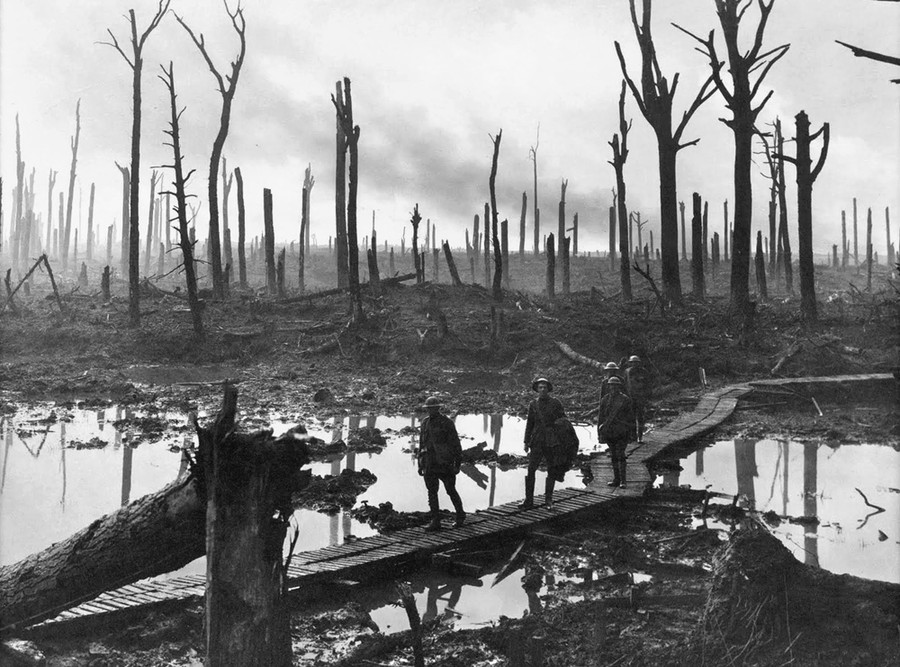
Modernism was not a stylistic experiment it was a civilizational breakdown.
After World War I, faith in:
-
moral progress
-
religious certainty
-
imperial authority
collapsed irreversibly. Literature responded not by comforting readers but by exposing fragmentation, alienation, and loss of meaning.
In this cultural emergency, the role of the poet was contested:
-
Should the poet bear witness to suffering?
-
Or should the poet interpret historical patterns beyond immediate emotion?
Yeats chose distance. His Modernism is marked by deliberate detachment a refusal to turn poetry into journalism or propaganda.
Section I: Yeats’s Visionary Framework
Dr. Dilip Barad Sir emphasizes that Yeats cannot be read without understanding his private symbolic system. Yeats was not merely a poet; he was a theorist of history.
I. The Second Coming: Architecture of Apocalypse

Written in 1919, The Second Coming articulates Modernist anxiety through two key concepts:
1. The Gyre
History, for Yeats, moves in interlocking spirals, each civilization lasting roughly 2000 years. As one gyre expands, another contracts. Collapse is not accidental it is structural.
“Turning and turning in the widening gyreThe falcon cannot hear the falconer;Things fall apart; the centre cannot hold…”
The falcon imagery dramatizes a world severed from authority whether divine, moral, or rational. Control is lost not through rebellion, but through distance.
2. Spiritus Mundi
From the collective memory of humanity emerges the poem’s most chilling image: the “rough beast.” This is not redemption but replacement a new order born through violence and moral vacancy.
The terror of the poem lies in its certainty: collapse is inevitable, and whatever follows will not be gentle.
Key Symbols at a Glance
II. On Being Asked for a War Poem: The Ethics of Silence
This poem, written in response to a wartime request by Henry James, is deceptively brief and profoundly controversial.
“I think it better that in times like theseA poet’s mouth be silent…”
Rather than humility, Yeats performs aesthetic refusal. He denies the state access to poetry. For him, art must preserve its autonomy or become propaganda.
Dr. Dilip Barad Sir interprets this as Modernist elitism, but also as resistance: Yeats refuses to let poetry become a weapon wielded by power.
This is not moral indifference it is ethical distance.
Section II: Hindi Podcast Reflection :Yeats in the Indian Imagination

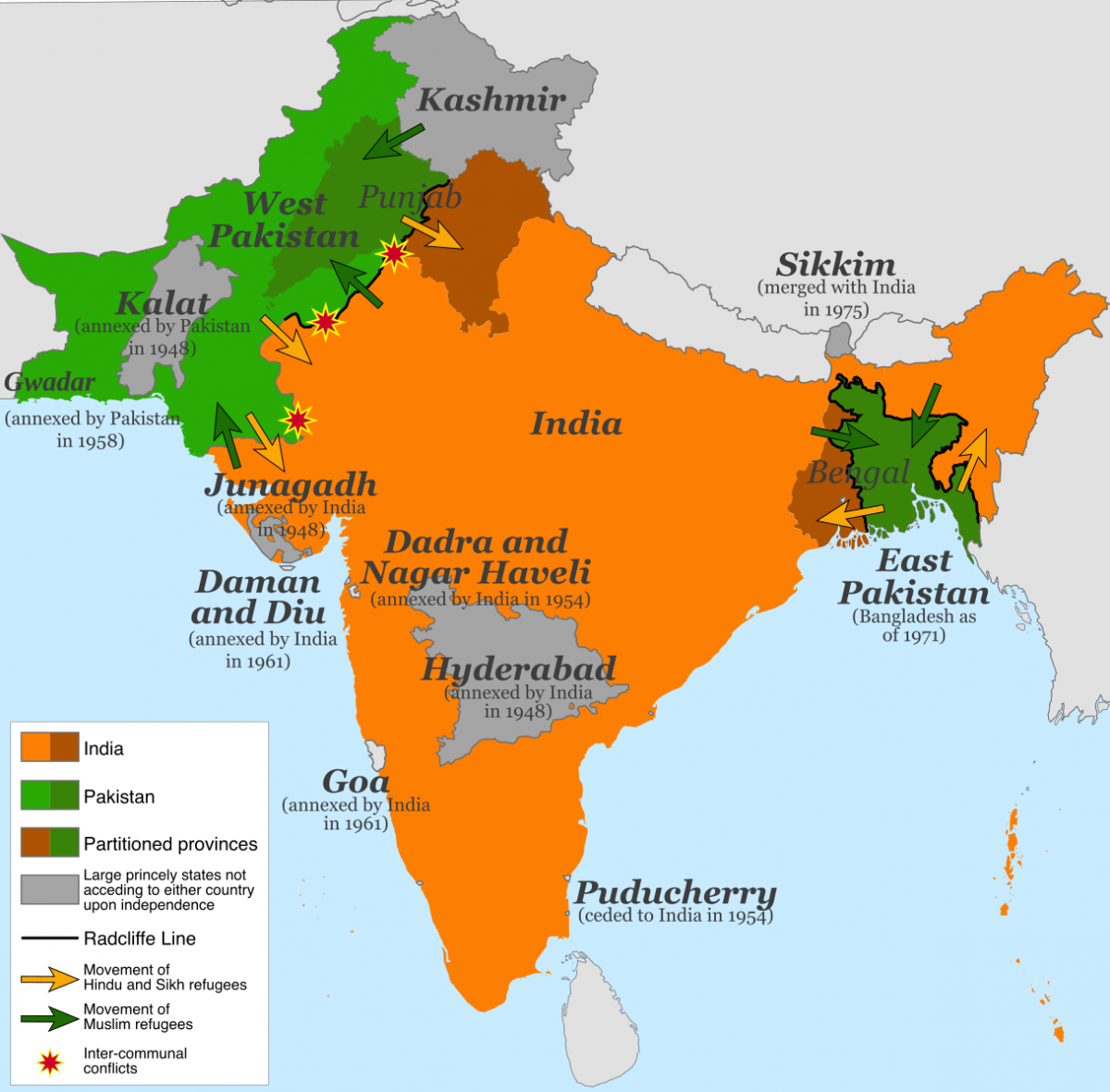
Listening to Yeats through a Hindi podcast radically shifts interpretation. The line “the centre cannot hold” ceases to be metaphorical it becomes historical memory.
For India, Partition was not symbolic collapse but lived catastrophe.
The podcast draws striking parallels:
-
Spiritus Mundi ↔ Collective unconscious / Akashic memory
-
Gyres ↔ Cyclical time in Hindu philosophy (Kali Yuga)
However, the podcast also challenges Yeats. In Indian literary tradition, poets like Rabindranath Tagore often act as national conscience. Silence, here, risks complicity.
This tension exposes a fault line between:
-
Western Modernist detachment
-
Postcolonial literary responsibility
Section III: Research-Based Deep Analysis
(i) Discussion Question
Do you agree with Yeats’s assertion in On Being Asked for a War Poem that poetry should remain apolitical? Why or why not?

W. B. Yeats argues that in moments of extreme political crisis, poetry should resist becoming a tool of propaganda. In On Being Asked for a War Poem, his statement “A poet’s mouth be silent” does not indicate moral indifference but a belief in the autonomy of art. According to the study material, Yeats feared that poetry used for political purposes risks losing its timelessness and being reduced to temporary rhetoric
I partially agree with Yeats’s position. His insistence on silence protects poetry from being co-opted by state ideology or nationalist fervor. This reflects a modernist skepticism toward grand narratives and political certainty. Yeats sees the poet not as a reformer of governments but as an interpreter of deeper historical and spiritual realities.
However, the assertion cannot be universalized. History shows that poets like Wilfred Owen and Siegfried Sassoon produced politically engaged poetry without sacrificing artistic value. In contexts of visible injustice and mass suffering, complete poetic silence may appear as detachment or privilege.
Thus, Yeats’s stance should be read as a personal modernist ethic, not a rule for all poetry. Poetry can remain artistically complex while still responding ethically to political realities.
(ii) Creative Activity
The Algorithm Widens
(iii) Analytical Exercise

Comparing the Treatment of War in Yeats with Wilfred Owen and Siegfried Sassoon
Yeats’s On Being Asked for a War Poem stands in sharp contrast to the trench poetry of Wilfred Owen and Siegfried Sassoon. The difference lies not in moral intention but in poetic philosophy.
Yeats adopts silence as resistance. He refuses to describe war directly, believing poetry has no practical authority to “set a statesman right.” His modernist detachment prioritizes spiritual and artistic integrity over immediate political engagement. The poem’s brevity, restraint, and reflective tone reinforce this withdrawal
In contrast, Wilfred Owen’s war poetry is rooted in first-hand experience. Poems such as Dulce et Decorum Est expose the physical horror of war through graphic imagery and emotional urgency. Owen rejects silence; he believes poetry must bear witness and dismantle patriotic illusions.
Siegfried Sassoon adopts yet another mode: satirical confrontation. His poems openly attack military leadership and societal hypocrisy. Unlike Yeats’s philosophical distance, Sassoon’s anger is direct and accusatory, using poetry as a form of protest.
Despite these differences, all three poets reject the romantic glorification of war. Yeats resists war through silence and abstraction; Owen through empathy and testimony; Sassoon through satire and outrage. Together, they represent three distinct modernist responses to crisis, each shaped by position, experience, and ethical belief.
Concluding Note

This engagement with Yeats, grounded in the ResearchGate study material, demonstrates that Modernism does not offer a single response to war or crisis. Instead, it opens a field of tension between silence and speech, distance and witness, art and politics a tension that remains unresolved and deeply relevant today.


No comments:
Post a Comment