Ernest Hemingway’s For Whom the Bell Tolls (1940) is one of the most powerful war novels of the twentieth century. Set during the Spanish Civil War (1936–1939), the novel explores not only the political struggle between Fascism and Republicanism, but also deeper human concerns such as duty, sacrifice, love, courage, and moral responsibility. Hemingway combines war action with psychological depth, philosophical reflection, and emotional intimacy.
The novel tells the story of Robert Jordan, an American dynamiter fighting for the Republican cause, who is assigned to blow up a strategic bridge. During the three days leading up to this mission, Jordan interacts with a group of Spanish guerrillas and falls in love with Maria, a young woman traumatized by Fascist brutality. Around these central characters stand memorable figures likePilar, whose strength and wisdom dominate the group.
This blog answers two questions from the given list:
Explain: Robert Jordan as a Typical Hemingway Hero
Discuss the statement that Maria has two main functions in For Whom the Bell Tolls: ideological and biological
The discussion is supported by authentic critical sources listed in your references, including works by Michael Reynolds, Linda Wagner, Gerry Brenner, and others.
Part I: Robert Jordan as a Typical Hemingway Hero
1. The Concept of the “Hemingway Hero”
To understand Robert Jordan as a typical Hemingway hero, it is essential to understand what critics often call the “Hemingway Code Hero.” This idea refers to a protagonist who lives by a personal code of:
Courage under pressure
Emotional restraint
Discipline and professionalism
Acceptance of death
Dignity in suffering
Hemingway’s heroes are not idealists or romantic dreamers. They live in a violent, broken world, yet face it with grace under pressure. According to Michael Reynolds, Hemingway’s heroes are shaped by a modern world where traditional values have collapsed, and meaning must be created through action rather than belief.
W.B. Yeats & Modernism: A 2025 Reading of The Second Coming and On Being Asked for a War Poem
December 26, 2025
This blog is written as part of an academic assignment assigned byDr. Dilip Barad (Department of English, MKBU). It critically examines W. B. Yeats as a Modernist poet and evaluates the continuing relevance of his vision in the contemporary world.
Rather than treating Yeats as a historical artifact, this blog reads him as a living diagnostic voice one that speaks disturbingly well to crises unfolding in 2025.
A Postgraduate Encounter with Modernism
As a postgraduate student of English literature, one gradually realizes that literary study is no longer confined to classrooms or libraries. Modernism, especially, refuses to remain historical. Under Dr. Dilip Barad Sir’s online modules, Yeats’s poetry begins to feel less like syllabus material and more like a commentary on daily headlines.
This semester’s focus has been on two poems:
The Second Coming
On Being Asked for a War Poem
Although modern war poetry often leads students toward Auden or Owen, the curriculum deliberately centers Yeats because his response to crisis is philosophical rather than emotional, cosmic rather than documentary.
This blog functions as a “learning-out-loud” exercise: a synthesis of theory, textual analysis, and present-day reality from the Russia Ukraine conflict to the disruptive rise of Artificial Intelligence.
Introduction: Modernism After the Collapse
Modernism was not a stylistic experiment it was a civilizational breakdown.
After World War I, faith in:
moral progress
religious certainty
imperial authority
collapsed irreversibly. Literature responded not by comforting readers but by exposing fragmentation, alienation, and loss of meaning.
In this cultural emergency, the role of the poet was contested:
Should the poet bear witnessto suffering?
Or should the poet interpret historical patternsbeyond immediate emotion?
Yeats chose distance. His Modernism is marked by deliberate detachmenta refusal to turn poetry into journalism or propaganda.
For a student in 2025, this position is unsettling. In an age of livestreamed wars and algorithmic manipulation, Yeats forces us to ask:
Is silence cowardice or intellectual resistance?
Section I: Yeats’s Visionary Framework
Dr. Dilip Barad Sir emphasizes that Yeats cannot be read without understanding hisprivate symbolic system. Yeats was not merely a poet; he was a theorist of history.
I. The Second Coming: Architecture of Apocalypse
Written in 1919, The Second Coming articulates Modernist anxiety through two key concepts:
1. The Gyre
History, for Yeats, moves in interlocking spirals, each civilization lasting roughly 2000 years. As one gyre expands, another contracts. Collapse is not accidental it is structural.
“Turning and turning in the widening gyre
The falcon cannot hear the falconer;
Things fall apart; the centre cannot hold…”
The falcon imagery dramatizes a world severed from authority whether divine, moral, or rational. Control is lost not through rebellion, but through distance.
2. Spiritus Mundi
From the collective memory of humanity emerges the poem’s most chilling image: the “rough beast.” This is not redemption but replacement a new order born through violence and moral vacancy.
The terror of the poem lies in its certainty:collapse is inevitable, and whatever follows will not be gentle.
Key Symbols at a Glance
Symbol
Meaning
The Gyre
Cyclical rise and fall of civilizations
Falcon/Falconer
Loss of moral or spiritual authority
Blood-dimmed tide
Total saturation of violence
Rough Beast
Birth of a new, inhuman order
II. On Being Asked for a War Poem: The Ethics of Silence
This poem, written in response to a wartime request by Henry James, is deceptively brief and profoundly controversial.
“I think it better that in times like these
A poet’s mouth be silent…”
Rather than humility, Yeats performs aesthetic refusal. He denies the state access to poetry. For him, art must preserve its autonomy or become propaganda.
Dr. Dilip Barad Sir interprets this as Modernist elitism, but also as resistance: Yeats refuses to let poetry become a weapon wielded by power.
This is not moral indifference it is ethical distance.
Section II: Hindi Podcast Reflection :Yeats in the Indian Imagination
Listening to Yeats through a Hindi podcast radically shifts interpretation. The line “the centre cannot hold” ceases to be metaphorical it becomes historical memory.
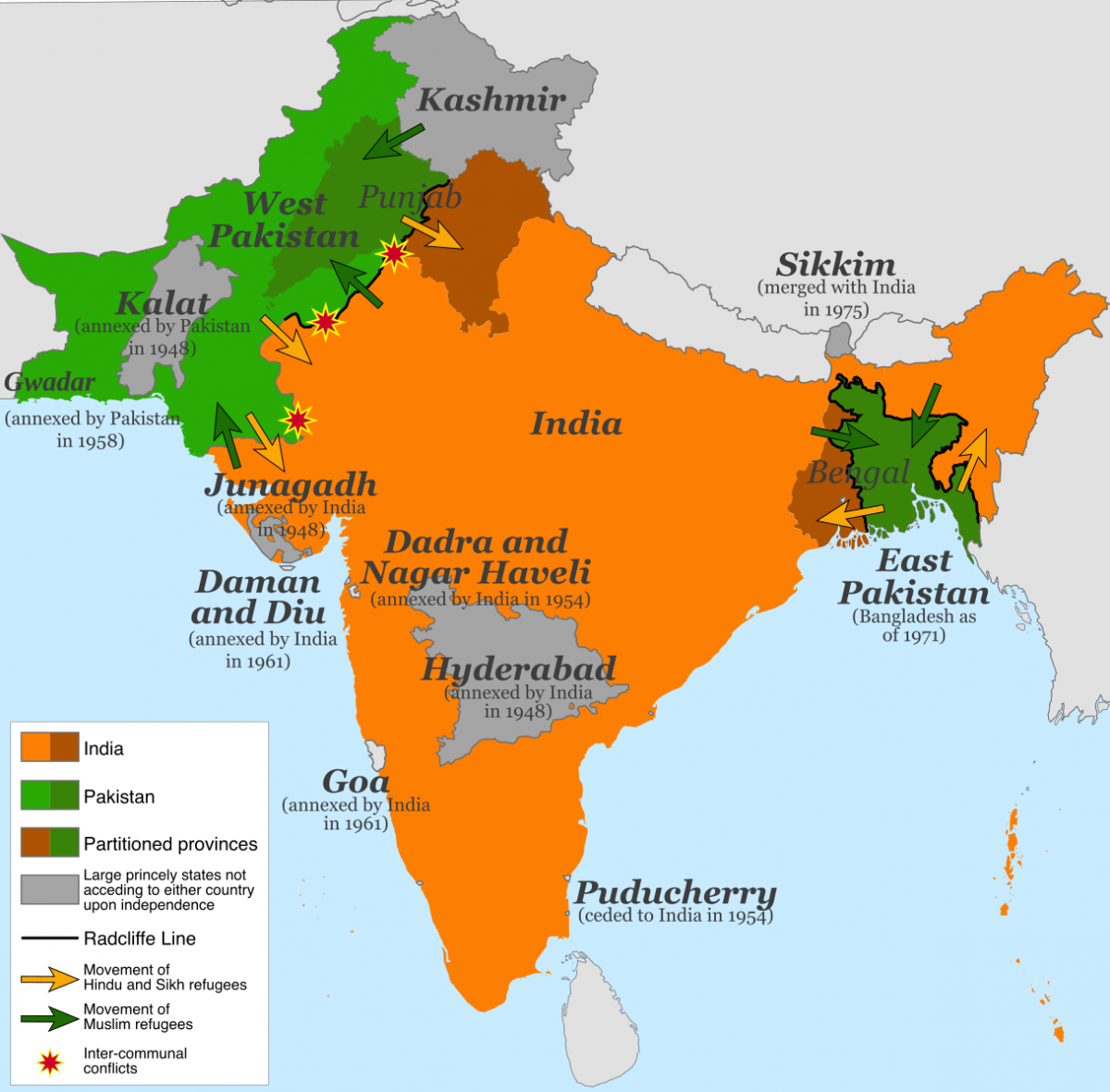
For India, Partition was not symbolic collapse but lived catastrophe.
Gyres ↔ Cyclical time in Hindu philosophy (Kali Yuga)
However, the podcast also challenges Yeats. In Indian literary tradition, poets like Rabindranath Tagoreoften act as national conscience. Silence, here, risks complicity.
This tension exposes a fault line between:
Western Modernist detachment
Postcolonial literary responsibility
Section III: Research-Based Deep Analysis
(i) Discussion Question
Do you agree with Yeats’s assertion in On Being Asked for a War Poem that poetry should remain apolitical? Why or why not?
W. B. Yeats argues that in moments of extreme political crisis, poetry should resist becoming a tool of propaganda. In On Being Asked for a War Poem, his statement “A poet’s mouth be silent” does not indicate moral indifference but a belief in the autonomy of art. According to the study material, Yeats feared that poetry used for political purposes risks losing its timelessness and being reduced to temporary rhetoric
I partially agree with Yeats’s position. His insistence on silence protects poetry from being co-opted by state ideology or nationalist fervor. This reflects a modernist skepticism toward grand narratives and political certainty. Yeats sees the poet not as a reformer of governments but as an interpreter of deeper historical and spiritual realities.
However, the assertion cannot be universalized. History shows that poets like Wilfred Owen and Siegfried Sassoon produced politically engaged poetry without sacrificing artistic value. In contexts of visible injustice and mass suffering, complete poetic silence may appear as detachment or privilege.
Thus, Yeats’s stance should be read as apersonal modernist ethic, not a rule for all poetry. Poetry can remain artistically complex while still responding ethically to political realities.
(ii) Creative Activity
A Modernist-Inspired Poem on a Contemporary Global Crisis
(written in Yeatsian spirit, not imitation)
The Algorithm Widens
Turning and turning in the widening feed
The user cannot hear the human voice;
Truth falls apart; the centre cannot load;
Mere data floods are loosed upon the world.
The best doubt facts, while bots burn with belief,
And somewhere deep in servers, cold and bright,
A thoughtless mind dreams patterns into law,
Its hour come round at last, it learns to speak.
Explanation:
This poem applies Yeats’s modernist techniques fragmentation, symbolic abstraction, and apocalyptic tone to a contemporary crisis: algorithmic control and misinformation. Like The Second Coming, it avoids direct commentary and instead presents a symbolic vision of collapse, aligning with Yeats’s belief in poetry’s indirect power
(iii) Analytical Exercise
Comparing the Treatment of War in Yeats with Wilfred Owen and Siegfried Sassoon
Yeats’s On Being Asked for a War Poem stands in sharp contrast to the trench poetry of Wilfred Owen and Siegfried Sassoon. The difference lies not in moral intention but in poetic philosophy.
Yeats adopts silence as resistance. He refuses to describe war directly, believing poetry has no practical authority to “set a statesman right.” His modernist detachment prioritizes spiritual and artistic integrity over immediate political engagement. The poem’s brevity, restraint, and reflective tone reinforce this withdrawal
In contrast, Wilfred Owen’s war poetry is rooted in first-hand experience. Poems such as Dulce et Decorum Est expose the physical horror of war through graphic imagery and emotional urgency. Owen rejects silence; he believes poetry must bear witness and dismantle patriotic illusions.
Siegfried Sassoon adopts yet another mode:satirical confrontation. His poems openly attack military leadership and societal hypocrisy. Unlike Yeats’s philosophical distance, Sassoon’s anger is direct and accusatory, using poetry as a form of protest.
Despite these differences, all three poets reject the romantic glorification of war. Yeats resists war through silence and abstraction; Owen through empathy and testimony; Sassoon through satire and outrage. Together, they representthree distinct modernist responses to crisis, each shaped by position, experience, and ethical belief.
Concluding Note
This engagement with Yeats, grounded in the ResearchGate study material, demonstrates that Modernism does not offer a single response to war or crisis. Instead, it opens a field of tension between silence and speech, distance and witness, art and politicsa tension that remains unresolved and deeply relevant today.
Tradition, Historical Sense, and the Impersonality of Poetry: Understanding T. S. Eliot’s Critical Vision
This blog has been assigned by Prof. Dr. Dilip Barad.
Introduction: Why Eliot Refuses to Comfort the Poet
T. S. Eliot’s Tradition and the Individual Talent is not a friendly essay. It does not encourage poets to “find their voice,” nor does it celebrate emotional outpouring. Instead, it demands discipline, historical awareness, and the deliberate reduction of personal ego. That is precisely why this essay became a turning point in twentieth-century literary criticism and why it still provokes resistance among students today.
To understand why Eliot makes such severe demands, one must first understand Eliot himself his intellectual background, his historical moment, and his personal commitments. Eliot’s critical ideas did not arise in isolation; they were shaped by his education, his modernist context, and his deep dissatisfaction with Romantic and Victorian literary values.
Based on the assigned videos and the reading material, this blog explains Eliot’s concept of tradition, his idea of historical sense, the relationship between tradition and individual talent, his theory of impersonality (depersonalization), and his sharp criticism of Romantic poetics. Wherever necessary, I agree with Eliot and where required, I challenge him.
Eliot as a Thinker and Critic: Intellectual Background and Context
T. S. Eliot was not only a poet but also a trained philosopher and a rigorous intellectual. He studied philosophy at Harvard and later at Oxford, where he engaged deeply with classical thought, especially Aristotle, as well as modern philosophy. This philosophical training explains why Eliot approaches poetry not emotionally, but analytically and structurally.
Eliot was writing in the aftermath of World War I, a period marked by cultural fragmentation, moral exhaustion, and a loss of faith in individualism. For Eliot, the Romantic celebration of the self seemed irresponsible in an age of crisis. He believed literature needed order, discipline, and continuity not emotional self-indulgence.
Three major commitments shaped Eliot’s criticism:
Literary classicism: a belief in order, form, and restraint
Historical consciousness: literature as a continuous tradition rather than isolated genius
Anti-Romanticism: rejection of emotion-centered, personality-driven art
Understanding Eliot’s personality and context clarifies why his essay sounds strict, even authoritarian. He was not attacking creativity itself; he was attacking what he saw as cultural chaos.
1. The Traditional Idea of Tradition vs. Eliot’s Concept
Traditionally, the word tradition suggests imitation, repetition, or blind respect for the past. In this sense, tradition appears restrictive and opposed to originality. Eliot strongly rejects this understanding.
For Eliot, tradition is not something a writer inherits automatically. It must be consciously acquired through labor. Tradition is the entire body of European literature seen as a living system, where past and present exist in a dynamic relationship. When a new work of art is created, it does not merely add itself to tradition—it subtly alters the way all previous works are understood.
Thus, tradition is not static. It is constantly reorganized by genuinely original writing. Eliot’s originality lies precisely here: tradition and innovation are not opposites; they depend on each other.
2. Historical Sense: The Past Is Present
Eliot introduces the idea of historical sense to explain how a poet should relate to tradition. He defines it as:
“A perception, not only of the pastness of the past but of its presence.”
Historical sense means that the poet experiences literature as a simultaneous order where Homer, Dante, Shakespeare, and the modern poet exist together. The poet writes with an awareness that the literature of the past is still active in the present moment.
Eliot further clarifies:
“This historical sense, which is a sense of the timeless as well as of the temporal, and of the timeless and of the temporal together, is what makes a writer traditional.”
Here, Eliot demands that a poet understand both:
the timeless elements of human experience, and
the temporal conditions of historical change.
A poet without historical sense, according to Eliot, may be clever or emotional, but cannot be genuinely serious.
3. Tradition and Individual Talent: A Difficult Relationship
At first glance, Eliot’s title appears contradictory. How can individual talent exist within tradition?
Eliot’s answer is uncomfortable: individual talent does not mean personal expression. Instead, it is the poet’s ability to surrender the self in order to participate in a larger literary order. Talent lies in understanding tradition so deeply that one can extend it without distorting it.
The poet’s work gains value not because it reflects personal emotions, but because it modifies tradition in a precise and disciplined way. The individual disappears, but the poem endures.
4. Absorbed Knowledge and Shakespeare
Eliot writes:
“Some can absorb knowledge; the more tardy must sweat for it. Shakespeare acquired more essential history from Plutarch than most men could from the whole British Museum.”
This statement highlights Eliot’s belief that genius operates differently. Shakespeare did not require formal academic training because he possessed an extraordinary capacity to absorb cultural material intuitively. He internalized history, myth, and human behavior directly from his environment.
However, this argument risks elitism. While Eliot praises disciplined learning, he also implies that true genius transcends effort. This tension weakens his otherwise rigorous position.
5. Poetry, Not the Poet: A New Direction in Criticism
One of Eliot’s most influential claims is:
“Honest criticism and sensitive appreciation are directed not upon the poet but upon the poetry.”
This statement marks a radical shift in literary criticism. Eliot rejects biographical, moral, and psychological approaches that explain poems through the author’s life. Instead, he insists that criticism should focus on the language, structure, and emotional organization of the poem itself.
This idea directly contributed to the rise of New Criticism, which treated the literary text as an independent object.
6. Depersonalization and the Platinum Catalyst
Eliot’s theory of impersonality is central to the essay. He explains it through a scientific analogy.
In a chemical reaction, platinum acts as a catalyst that allows sulfur dioxide and oxygen to combine into sulfuric acid without the platinum itself undergoing change.
Similarly:
the poet’s mind functions as platinum,
experiences and emotions are raw materials,
the poem is the final product.
The poet must remain neutral and detached. Personal emotions must be transformed, not expressed directly.
This leads to Eliot’s most famous assertion:
“Poetry is not a turning loose of emotion but an escape from emotion; it is not the expression of personality but an escape from personality.”
This statement directly attacks Romantic poetry, which values spontaneity and emotional overflow.
7. Eliot’s Criticism of Romantic Poetics
Eliot fundamentally opposes Romantic ideals of poetry. He rejects:
emotional excess,
spontaneous inspiration,
celebration of the poet’s personal self.
Instead, he promotes restraint, discipline, and historical awareness. However, Eliot underestimates one truth: emotion cannot be completely eliminated. Even his own poetry reveals controlled but intense emotional pressure.
8. The Objective Correlative: Organizing Emotion
Closely connected to impersonality is Eliot’s idea of the objective correlative. Emotion in poetry must be expressed through a precise set of objects or situations that evoke feeling automatically in the reader.
When a poem fails, according to Eliot, it is because emotion is vague or uncontrolled. Romantic poetry often fails because it names emotion instead of structuring it.
9. Two Critiques of Eliot as a Critic
Eurocentrism – Eliot’s idea of tradition privileges Western literature and marginalizes non-European traditions.
The Myth of Complete Impersonality – No poem can be entirely free from ideology, history, or personal experience.
Eliot in Contemporary India: Tradition Without Imitation
Eliot’s ideas may appear distant from contemporary Indian writing, but in reality they are deeply relevant. India is a culture saturated with tradition classical texts, myths, regional literatures, devotional poetry, and oral narratives. The real challenge for modern Indian writers is not the absence of tradition, but how to engage with it without merely copying it. Eliot’s concept of tradition provides a useful framework here.
A clear contemporary example can be seen in Indian English poetry and fiction. Writers like Amitav Ghosh or Arundhati Roy do not retell the Mahabharata or colonial history in a traditional manner. Instead, they absorb historical material myth, archive, memory and reorganize it within modern narrative forms. This aligns closely with Eliot’s idea that a new work alters the existing order of tradition rather than repeating it.
In Indian cinema as well, filmmakers such as Sanjay Leela Bhansali or Anurag Kashyap show two contrasting approaches to tradition. Bhansali often emphasizes aesthetic inheritance classical music, costume, and mythic imagery sometimes risking imitation. Kashyap, on the other hand, absorbs tradition indirectly: folk violence, caste realities, and social decay are transformed into modern cinematic language. Eliot would likely value the second approach more, as it demonstrates historical sense rather than surface tradition.
Eliot’s theory of impersonality is also visible in contemporary Indian poetry. Many modern poets avoid overt emotional confession and instead construct emotion through images, situations, and social contexts for example, portraying urban alienation through crowded local trains, call-center night shifts, or digital loneliness. Emotion emerges from structure, not from personal diary-like expression, reflecting Eliot’s idea of depersonalization.
At the same time, Eliot’s limitations become clearer in the Indian context. His Eurocentric model of tradition cannot fully account for India’s plural traditions oral, regional, multilingual, and non-canonical. An Indian writer does no
Here are videos of Eliot which is provided by sir
video 1
This transcript highlights the pivotal role T.S. Eliot played as a foundational figure in twentieth-century literary criticism. Alongside peers like I.A. Richards, Eliot helped shape a movement that would eventually include influential New Critics such as Allen Tate and Cleanth Brooks. The discussion specifically categorizes Eliot’s extensive intellectual contributions into three distinct pillars: his literary classicism, his political royalism, and his religious identity as an Anglo-Catholic. By examining these three lenses, the source illustrates how Eliot’s personal convictions deeply informed his theoretical frameworks. Ultimately, the dialogue provides a brief historical roadmap of the modernist era, identifying the key scholars and concepts that defined the evolution of literary analysis.
video 2
This discussion explores T.S. Eliot’s literary theories, specifically focusing on his perspective that tradition is a positive, essential framework for creativity rather than a negative restriction. The speakers clarify that a writer’s individual talent is not about isolated self-expression but about integrating one's work into the existing monument of historical and cultural heritage. By criticizing the Romantic emphasis on the individual self, the source highlights how Eliot demands that authors possess a historical consciousness that connects their work to the broader European literary canon. The text further explains that a poet must sacrifice their personality to harmonize with and slightly expand upon the established traditions that came before them. Ultimately, the source frames Eliot’s views as an extension of Matthew Arnold’s historical sense, emphasizing that no creator can be understood in total isolation from the past.
video 3
In this discussion of T.S. Eliot’s literary theories, the speaker examines how Shakespeare represents a unique exception to the requirement of formal, extensive education for poets. While Eliot typically demands that creators possess a comprehensive knowledge of tradition, he argues that certain geniuses can absorb essential insights through intuition rather than systematic study. Drawing on the ideas of Matthew Arnold, the text suggests that Shakespeare effectively internalized the spirit of his era and the raw materials of history without attending a university. This process allowed him to create a vast array of themes and characters by soaking up the cultural ideas circulating during his lifetime. Ultimately, the source explains that individual talent can manifest as a rare ability to gather wisdom from one's environment more efficiently than others do through traditional academic labor.
video 4
In this educational discussion, scholars examine T.S. Eliot’s "Tradition and the Individual Talent," focusing specifically on his use of a scientific catalyst to describe the creative process. Eliot compares the poet's mind to a shred of platinum that facilitates a chemical reaction between sulfur dioxide and oxygen without being altered by the transformation itself. This analogy serves to illustrate the theory of impersonalization, suggesting that a creator must remain a neutral medium rather than a subjective participant in their work. By contrasting this perspective with Romantic ideals of emotional spontaneity, the text highlights how early 20th-century thinkers sought to apply scientific rigor to the humanities. Ultimately, the source links Eliot’s modern approach back to Aristotelian philosophy, emphasizing the concept of a "divine and unaffected" mind that records experiences without being consumed by them.
video 5
TS Eliot’s influential essay, Tradition and Individual Talent, fundamentally altered the course of twentieth-century literary criticism by shifting focus away from the author’s life. The text explains that Eliot redefined tradition not as a simple imitation of the past, but as a living, dynamic body of work that a poet must actively labor to understand and join. He rejected Romantic ideals of individual genius, arguing instead for the impersonality of the poet, where the writer acts as a neutral catalyst rather than an expressive source. By prioritizing the extinction of personality, Eliot moved the center of critical interest from the creator to the literary text itself. This seminal work ultimately paved the way for New Criticism, establishing a rigorous method for analyzing literature as an independent object.
“Decoding Gujarati Poetry: An I.A. Richards Approach”
This Blog is a part of Thinking Activity assigned by Dr. and Prof. Dilip Barad sir regarding I.A Richards' Figurative Language - Practical Criticism where I have been given the poem titled “એક એવું એ.ટી.એમ. હોય!” and “ટી.વી. સિરિયલની જેવી ચાહતનું ગીત” (Love Like a TV Serial) and for close reading and my interpretavive biases on the same.
Here is a detailed infograph of my blog-
Most student blogs on Gujarati poetry collapse into paraphrase, moral preaching, or biographical guessing. That is exactly what I.A. Richards warned against in Practical Criticism. His method demands disciplined attention to language itself—especially figurative language—and to the points where readers experience confusion, resistance, or emotional imbalance. This blog therefore analyzes the two Gujarati poems shown in the images through Richards’ framework, focusing not on what the poet meant socially or morally, but on how language produces meaning, feeling, tone, and intention in the reader.
Rather than reducing the poems to symbols or messages, the discussion treats them as linguistic events. The central concern throughout is complexity: where figurative language succeeds in organizing experience and where it risks emotional excess, vagueness, or over-personification. The analysis now deepens each element of Richards’ framework to master’s level, considering nuanced interactions, multiple layers of reader response, and the cognitive-emotional impact of figurative choices.
Here is a brief video of my blog-
I.A. Richards’ Critical Framework
Before analysis, one clarification: Richards is not anti-metaphor or anti-personification. He is anti‑careless figurative excess and anti‑lazy literal reading.
For this blog, four tools are applied repeatedly:
Four Kinds of Meaning – sense, feeling, tone, intention
Emotive vs Scientific Language
Four Types of Misunderstanding
Reader Response as Evidence
Poem 1: “એક એવું એ.ટી.એમ. હોય!”
૪. એક એવું એ.ટી.એમ. હોય !
કોઈ એ.ટી.એમ. ક્યાંક તો બનાવે ડિપોઝીટ કોરુંધાકોર દુ:ખ કરીએ ને કડકડતું સુખ બ્હાર આવે...!
ચાહવાનો પીન ટાઈપ કરવાથી સ્ક્રીન ઉપર ભવભવનો આવે સંબંધ ! ઉપવનની 'ફાસ્ટ કૅશ' મેળવવા કરીએ તો મળી भय એની સુગંધ ભીંજાવું એટલું જો કરીએ ડિમાન્ડ, મૠતુ આખું ચોમાસું અહીં લાવે
દાડપણનો 'પીન' ચેન્જ કરીએ तो ફાગણના દિવસો લ્યો ઓ.કે. થઈ જાય, સ્ટેમેન્ટ માગતાં જ સ્મરણોની ટ્રાન્સફર શમણાંના ખાતામાં था리 લાગણીઓ ક્રેડિટ થઈ જાય એવી માણસાઈ ઇન્ટરેસ્ટ એટલું બચાવે
ધારો કે કાર્ડ ભૂલી જઈએ ને, અણદેખ્યો તોયે દેખાય એ j desh , 'ઓટો સ્વિપ' થાય એનું નામ અને ગામ તોય દેખાડે રસ્તો દરવેશ; એનો એકાઉન્ટ હોય, આપણો ઉપાડ હોય એ 'ડેબિટ કાર્ડ' જો ચલાવે !
Stanza 1
Gujarati: કોઈ એ.ટી.એમ. ક્યાંક તો બનાવે, ડિપોઝીટ કોરુંધાકોર દુઃખ કરીએ ને કડકડતું સુખ બહાર આવે...!
The poet imagines an ATM that could take away all our heavy, dry sorrows and give back fresh, crisp happiness—like withdrawing brand-new banknotes. This metaphor reflects a deep human longing for an easy, immediate solution to emotional pain, blending humor with wistfulness.
Stanza 2
Gujarati: ચાહવાની પીન ટાઈપ કરવાથી સ્ક્રીન ઉપર ભવભવનો આવે સંબંધ, ઉપવનની 'ફાસ્ટ કેશ' મેળવવા કરીએ તો મળી જાય એની સુગંધ !
By entering a “PIN of Love,” the ATM would display the bonds of past lifetimes, and a “Fast Cash” of joy would instantly bring the fragrance of a garden. The stanza exaggerates longing and desire, mixing fantasy with a critique of how we seek instant emotional gratification.
Stanza 3
Gujarati: ભીંજાવું એટલું જો કરીએ ડિમાન્ડ, ઋતુ આખું ચોમાસું અહીં લાવે ! ડાહપણનો 'પીન' ચેન્જ કરીએ તો ફાગણના દિવસો લ્યો ઓ.કે. થઈ જાય.
The poet suggests that requesting emotional experiences could bring a whole monsoon of feelings, and by “changing the PIN of Wisdom,” even dull days could turn into vibrant spring. This illustrates the tension between desire for control over emotions and the reality of life’s unpredictability.
Stanza 4
Gujarati: સ્ટેટમેન્ટ માંગતા જ સ્મરણોની ટ્રાન્સફર શમણાંના ખાતામાં થાય ! લાગણીઓ ક્રેડિટ થઈ જાય એવી માણસાઈ ઈન્ટરેસ્ટ એટલું બચાવે !
When asking for a “statement,” memories would be credited to a dream-account, saving the interest of emotional pain. The poet cleverly uses financial metaphors to highlight how humans wish to manage emotions like money, emphasizing both humor and irony.
Stanza 5
Gujarati: ધારો કે કાર્ડ ભૂલી જઈએ ને, અણદેખ્યો તોયે દેખાય એ જ દેશ, 'ઓટો સ્વીપ' થાય એનું નામ અને ગામ તોય દેખાડે રસ્તો દરવેશ; એનો એકાઉન્ટ હોય, આપણો ઉપાડ હોય એ 'ડેબિટ કાર્ડ' જો ચલાવે !
Even if we forget our card, the ATM or fate recognizes us. Love, guidance, and emotional support would work like a “Debit Card” that lets us navigate life. The stanza blends whimsy, hope, and critique of mechanized modernity, asking readers to consider how human connection could be more fluid and generous.
The first poem is constructed around a single controlling metaphor: the ATM imagined as an emotional and moral dispenser rather than a financial machine. On the level of sense, the poem appears deceptively simple, but multiple layers of meaning unfold upon closer reading. The ATM represents modern systems, human dependency on mechanical fixes, and the poet’s critique of emotional alienation. The sense is simultaneously literal, metaphorical, and symbolic, demanding careful reader attention to extract nuanced commentary on societal, psychological, and moral dimensions.
1. Sense
The poem articulates a wish for a machine that can perceive and mitigate human suffering. Richards emphasizes that poetic sense extends beyond dictionary definitions, incorporating metaphorical logic, social commentary, and conceptual layering. The complexity arises in reconciling literal absurdity (an ATM cannot empathize) with metaphorical coherence. As a master’s reader, one notes that the ATM operates on multiple semantic levels simultaneously: social critique, technological metaphor, and emotional fantasy. Misalignment of these layers can produce reader confusion if attention is not attuned to figurative intention.
2. Feeling
The poem’s emotional texture is multi-dimensional: longing for care, ironic detachment, frustration with mechanical society, and reflective melancholy. Feelings oscillate between desire, impossibility, and resigned humor. Repetition of metaphor risks flattening affective impact, while subtle linguistic cues like qualifiers and tonal shifts enhance layered emotional resonance. At a master’s level, one can trace how juxtaposition of frustration with whimsical imagery produces cognitive-emotional tension, engaging readers in an evaluative reflection on human reliance on artificial solutions.
3. Tone
The tone combines conversational informality, ironic reflection, and subtle critique. This tonal strategy modulates engagement, guiding readers to empathy while signaling critical distance. However, uniformity in tone may limit rhetorical dynamism. Richards would observe that strategic tonal variation could intensify emotional and cognitive complexity, enhancing reader participation. A master’s reading recognizes the poem’s careful tonal calibration, balancing irony, warmth, and contemplation.
4. Intention
The poem intends to expose the insufficiency of mechanical responses to emotional and social needs. Its aim is primarily psychological and reflective rather than prescriptive. A critical tension exists between intention and figurative deployment: repeated imagery can oversimplify complex societal commentary, potentially constraining interpretive depth. Richards stresses that effective poetic intention requires orchestrating multiple figurative devices to fully realize nuanced mental and emotional states. At master’s level, one observes how intention, metaphor, and emotional modulation interact to produce sophisticated cognitive-emotional effects.
Complexities and Misunderstandings
Over-personification
“એટીએમમાંથી નીકળે આનંદ અને દુઃખ” – Treating the machine as human can be funny, but readers may get confused about what is real and what is metaphor.
New angle: This exaggeration also satirizes modern life, showing how we depend on machines for even emotional comfort.
Repetition risks boredom
“દરરોજ એક જ મશીન, એક જ સુખ, એક જ દુઃખ” – Repeating the same metaphor reduces impact.
New angle: Repetition might also reflect monotony of daily life, reinforcing the poem’s critique of routine.
Irony can be missed
“બેંકમાં ઊભા રહીને દિલના વ્યાજ પર વિચારવું” – The poet is ironic: we line up for money but long for emotional dividends. Readers may miss the humor if they focus only on literal meaning.
Multiple layers demand attention
“એટીએમની સ્ક્રીન પર લખાયેલું: ‘સુખ અને દુઃખ લિમિટેડ’” – Shows how the poem blends social critique, technological metaphor, and emotional reflection. Readers must juggle these layers to grasp full meaning.
Moralizing misleads
Interpreting the poem as “don’t rely on machines” alone misses emotional resonance—the wish for care, humor, and irony is more important.
New perspective – absurdity highlights longing
“જ્યારે ATM થી પ્રેમની રસી નીકળતી તો કઈ મશીનથી આગળ?” – The absurd image emphasizes human longing for connection, not literal solution.
Poem 2: Analysis of the Second Gujarati Poem
“ટી.વી. સિરિયલની જેવી ચાહતનું ગીત” (Love Like a TV Serial)
૫. ટી.વી. સિરિયલની જેવી ચાહતનું ગીત
તારું ટી.વી. સિરિયલની જેમ ચાહવું ! દર હપતે બદલાતી સ્ટોરિમાં કઈ રીતે સપનાંના શહેરને વસાવવું ?
1 'મેક અપ'ની માફક તું લૂછે ને દૂર કરે ચહેરાના બનાવટી लाव, ડાયલોગ બને એવી લાગણીઓ લાગે છે જાણે કે તારો સ્વભાવ
કેમેરા જેમ બધું ફોકસમાં કેદ અરે ! આંસુને પાંપણમાં રાખવું
ભેળવે તું બોલવામાં 'સ્યૂગર' થોડીક અને હસવામાં ભેળવે તું ઝેર, ટ્યૂડિઓનું ધોધમાર ચોમાસું સાચુકલા वाहज સાથે 리 કરે વેર... મોર બની જ્યારે અષાઢને હું બોલાવું, એસ.એમ.એસ. જેમ તારું આવવું !
આ કેવો દેશ-જેમાં પારકો છે વેશ અને એકલતા મોરપિચ્છ-સ્ક્રીન ખાલીપો લઈને સૌ મેળામાં મહાલે છે ઝાંઝવાંચ કેવાં રંગીન
એવો એકાઉન્ટ જેમાં અરો બેલેન્સ હોય એમાંથી બોલ શું ઉપાડવું ?
Stanza 1
તારું ટી.વી. સિરિયલની જેમ ચાહવું ! દર હપ્તે બદલાતી સ્ટોરિમાં કઈ રીતે સપનાંના શહેરને વસાવવું ?
Love is compared to a weekly-changing TV serial. The poet questions how one can build lasting dreams with someone so inconsistent, using metaphor to express frustration with unpredictability in relationships.
Stanza 2
‘મેક અપ’ની માફક તું લૂછે ને દૂર કરે ચહેરાના બનાવટી ભાવ, ડાયલોગ બને એવી લાગણીઓ લાગે છે જાણે કે તારો સ્વભાવ !
The poet notices that emotions are wiped off like makeup, appearing scripted rather than genuine. This highlights artificiality in behavior and how outward expressions may hide true feelings.
Stanza 3
કેમેરા જેમ બધું ફોકસમાં કેદ અરે ! આંસુને પાંપણમાં રાખવું, ભેળવે તું બોલવામાં 'સ્યુગર' થોડીક અને હસવામાં ભેળવે તું ઝેર.
Actions seem staged, as if under constant camera surveillance. Tears are hidden, words sweetened, and laughter hides bitterness. The stanza conveys dissonance between appearance and reality in emotional expression.
Stanza 4
સ્ટુડિયોનું ધોધમાર ચોમાસું સાચકલા વાદળ સાથે ય કરે વેર... મોર બની જ્યારે અષાઢને હું બોલાવું, એસ.એમ.એસ. જેમ તારું આવવું !
Emotions are likened to “studio rain”—artificial and overdone. Genuine response arrives coldly, like a short text message. The poet critiques the superficiality of modern emotional communication.
Stanza 5
આ કેવો દેશ-જેમાં પારકો છે વેશ અને એકલતા મોરપિચ્છ-સ્ક્રીન, ખાલીપો લઈને સૌ મેળામાં મહાલે છે ઝાંઝવાં કેવાં રંગીન !
The poet laments a world of masks, where loneliness persists even among crowds chasing illusions. This stanza reflects social commentary on isolation, pretense, and the human craving for authenticity.
Stanza 6
એવો એકાઉન્ટ જેમાં ઝિઅરો બેલેન્સ હોય એમાંથી બોલ શું ઉપાડવું ?
In a relationship with “zero balance” of true feelings, there is nothing real to gain. This metaphor critiques empty or superficial connections, asking readers to evaluate emotional sincerity.
This poem employs a series of shifting images reflecting internal psychological states. The sense is deliberately unstable, demanding that emotional coherence carry the reader. The interplay between figurative freedom, tonal subtlety, and structural discipline forms the core challenge for master’s level analysis.
1. Sense
Literal sense is fluid; images appear and dissolve, creating a dynamic cognitive landscape. Richards highlights that instability is not defective if it contributes to affective coherence. The poem represents mental states such as anxiety, fragmentation, and quiet introspection. At master’s level, readers integrate overlapping impressions into a layered interpretive field, recognizing the interplay between fleeting literal events and sustained emotional resonance.
2. Feeling
Emotional texture includes anxiety, resignation, introspection, and occasional reflective insight. Master-level reading identifies nuanced modulation: contrasts of tension and release, fleeting hope amidst despondency, and oscillations between detachment and affective immersion. These patterns create complex emotional engagement, requiring careful navigation by readers to appreciate the poem’s affective architecture.
3. Tone
The tone is introspective, withdrawn, and meditative, demanding subtle reader attunement. Strategic restraint enhances authenticity but may challenge accessibility. Master-level interpretation discerns tonal layers: the interplay of quiet reflection, internal tension, and contemplative depth, noting how these influence emotional and cognitive response.
4. Intention
The poem seeks affective immersion rather than argumentative or prescriptive discourse. The poet’s intention is to replicate internal psychological processes, allowing readers to recognize and experience similar states. Complexity arises when fragmented imagery threatens coherence; successful interpretation relies on recognizing overarching emotional patterns. Richards would emphasize that intentionality is realized through controlled emotional modulation and subtle figurative structuring.
Complexities and Misunderstandings
1. Love treated as a TV serial (instability)
Example from poem:
“તારું ટી.વી. સિરિયલની જેમ ચાહવું ! દર હપતે બદલાતી સ્ટોરિમાં…”
Complexity:
Love keeps changing like a TV storyline.
The speaker is confused how to build a future when emotions are not stable.
Human issue: You can’t trust something that resets every week.
2. Fake emotions hidden by appearance (make-up imagery)
Example:
“‘મેક અપ’ની માફક તું લૂછે ને દૂર કરે ચહેરાના બનાવટી લાવ”
Complexity:
Make-up hides the real face.
Similarly, the lover hides true feelings.
Human issue: Not knowing what the other person actually feels.
3. Emotions becoming scripted dialogues
Example:
“ડાયલોગ બને એવી લાગણીઓ લાગે છે”
Complexity:
Feelings sound rehearsed, not spontaneous.
Human issue: When words are correct but feel empty.
4. Constant self-control like acting before a camera
Example:
“કેમેરા જેમ બધું ફોકસમાં કેદ… આંસુને પાંપણમાં રાખવું”
Complexity:
Even tears are controlled, as if being recorded.
Human issue: Suppressing real pain to maintain image.
5. Sweet words mixed with harm (mixed signals)
Example:
“બોલવામાં ‘સ્યૂગર’ થોડીક અને હસવામાં ભેળવે તું ઝેર”
Complexity:
Kind speech but cruel behavior.
Human issue: Emotional contradiction that creates confusion and hurt.
6. Artificial emotions like studio rain
Example:
“સ્ટુડિઓનું ધોધમાર ચોમાસું”
Complexity:
The rain is not real; it is created on a set.
Human issue: Feelings look intense but lack truth.
7. Presence reduced to technology
Example:
“એસ.એમ.એસ. જેમ તારું આવવું”
Complexity:
The lover arrives like a message, quick and shallow.
Human issue: Convenience replacing effort and closeness.
8. Loneliness in society
Example:
“એકલતા… સ્ક્રીન ખાલીપો લઈને સૌ મેળામાં મહાલે છે”
Complexity:
People celebrate, yet remain empty inside.
Human issue: Isolation despite social interaction.
9. Emotional emptiness symbolized as a bank account
Example:
“એવો એકાઉન્ટ જેમાં અરો બેલેન્સ હોય એમાંથી બોલ શું ઉપાડવું?”
Complexity:
No emotional investment, no emotional return.
Human issue: Expecting love where none was given.
Comparative Insight
Poem 1 risks oversimplification of complex emotional and social critique; Poem 2 risks diffusion and fragmentation of affective energy. Richards’ method evaluates both poems on their ability to orchestrate cognitive and emotional impulses, not on factual accuracy or social utility. Each poem demonstrates different strategies and challenges for master’s level reader engagement, demanding nuanced interpretation and critical sophistication.
Conclusion
These Gujarati poems exemplify Richards’ assertion that figurative language is inherently risky but indispensable. Judicious use enriches emotional and cognitive depth; mismanaged figurative structures invite misunderstanding. Readers must resist literalism, moral reduction, and forced symbolism, focusing instead on the state of mind produced by the poem, its coherence, and the sophisticated layering of sense, feeling, tone, and intention. Master’s level analysis reveals both the power and the subtlety of figurative language in organizing complex human experience.
.png)





.png)
.png)
.png)
.png)
.png)
.png)